

Paramount - Warner Bros. Discovery
The combined company will create a more resilient and diversified media company that is better positioned to compete with global technology and streaming platforms.
Hollywood’s story can have a happy ending only when we connect with our audience. It’s the audience — the American people — who have the final say in whether a movie succeeds or fails, whether a news organization thrives or withers and therefore whether our industry succeeds or fails. I want to build a company with the strength and resources to deliver for those audiences who turn to us, for the storytellers who rely on us and for the country that dreamed this all up."
David Ellison
Chairman and CEO of Paramount, a Skydance Corporation
More content
The transaction's growth strategy directly supports workers and the broader production economy. More films and series in production means more call sheets, more locations, more transportation, casting, catering, and other work across the industry.
Paramount Studios and Warner Bros. Studios will each produce a minimum of 15 high-quality feature films per year, for a total of at least 30 films annually across the group.

Greater choice
Both studios will continue to support a vibrant third-party ecosystem by licensing their films and shows across their own and third-party platforms, while remaining active buyers of content from third-party studios and independent producers.
The combined company will own a film library of more than 15,000 titles and thousands of hours of television programming. It will be home to many of the world’s most iconic and enduring franchises, including Harry Potter, Mission Impossible, Lord of the Rings, Game of Thrones, The DC Universe, Teenage Mutant Ninja Turtles, Transformers, Star Trek, and SpongeBob SquarePants.

Increased competition
The combined company will be more resilient, more diversified and better positioned to compete with global technology and streaming platforms, while supporting creators and distribution partners across the industry.

FULL-SPECTRUM
MARKETPLACE
A complementary portfolio of cable networks spanning entertainment, sports and news that will enable integrated cross-platform distribution, stronger cash flow and a more compelling cross-channel partner for advertisers.

Makan Delrahim
Chief Legal Officer, Paramount
There’s no element of this merger that is anti-competitive. Once you look at it, it’s incredibly pro-competitive. It increases output, it increases jobs, and it lowers the cost to the consumers. If you actually try to block this deal, you’re going to harm consumers, you’re going to harm creative talent, because you’re going to harm the creative ecosystem — the vision that David [Ellison] is trying to deploy here. It’s transformative from the efficiencies that it creates."
In the LA Times, June 1, 2026
What Others
Are Saying
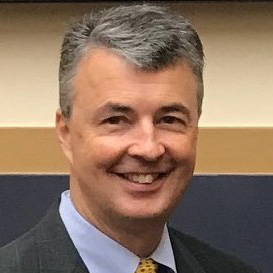
Steve Marshall
Alabama Attorney General
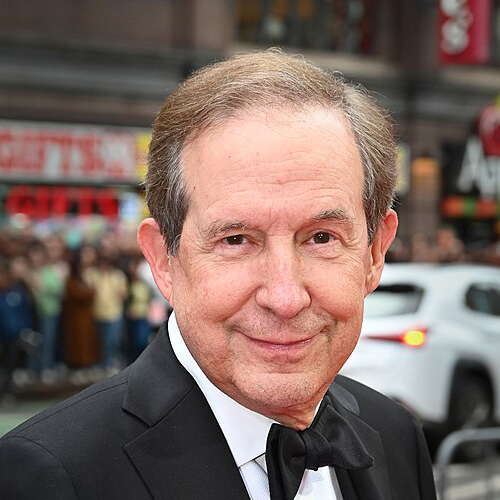
Chris Wallace
Senior Advisor, RedBird Capital, former CNN, NBC, ABC, and Fox News Anchor
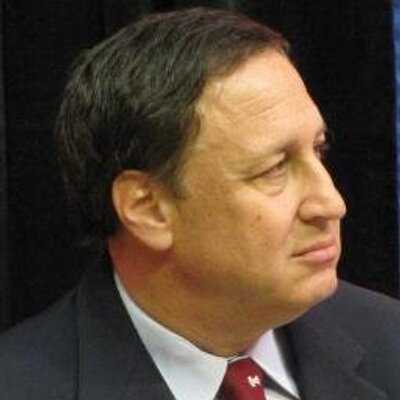
Adam Aron
CEO, AMC
_(1).jpg)
Ari Emanuel
CEO, WME Group & CEO, TKO Holdings
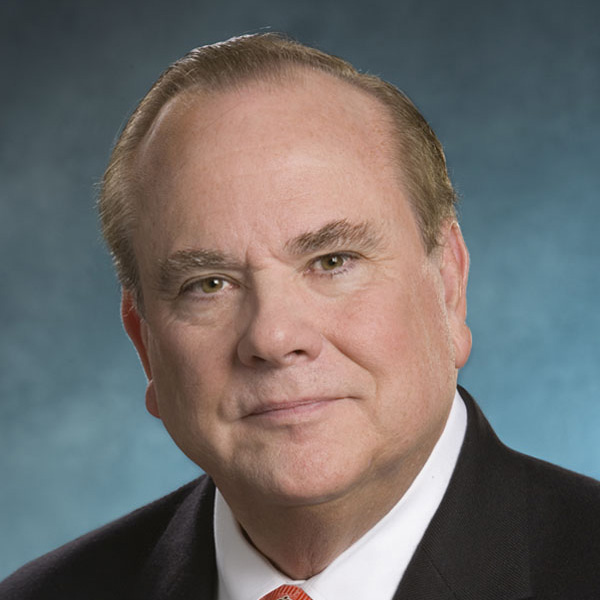
Bill Lockyer
Former California Attorney General
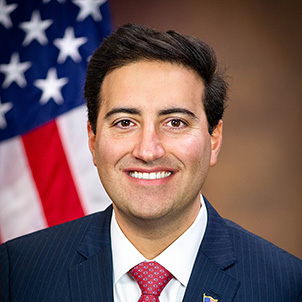
Omeed Assefi
Former Acting Assistant Attorney General, U.S. DoJ Antitrust Division
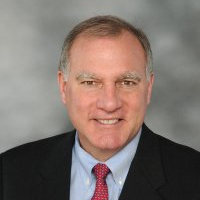
George Jepsen
Former Connecticut Attorney General

James Cameron
Filmmaker
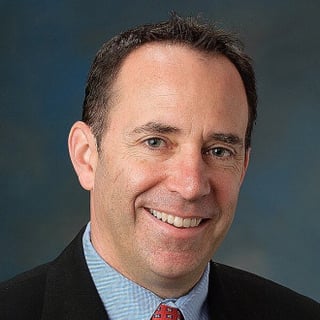
Ike Brannon
Senior Fellow, The Jack Kemp Foundation
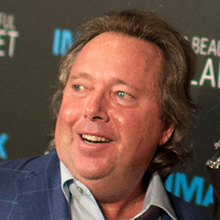
Rich Gelfond
CEO, IMAX
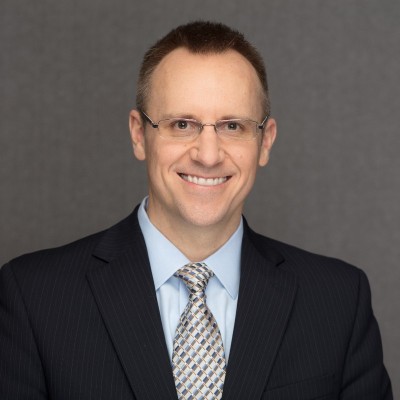
Sean Gamble
CEO, Cinemark
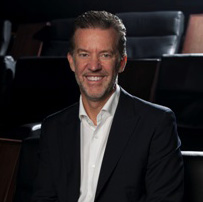
Tim Richards
Founder & CEO, Vue International
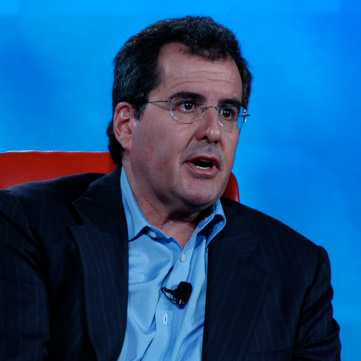
Peter Chernin
Chairman and CEO, The Chernin Group (TCG)
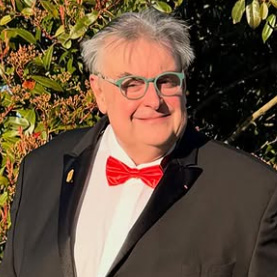
Richard Patry
President, National Federation of Cinema Exhibitors (FNCF)
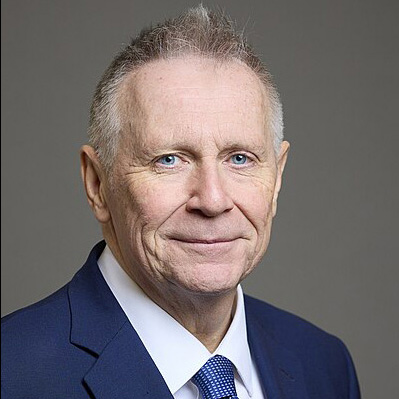
Lord Black of Brentwood
Member, UK House of Lords

Ancora Holdings
American wealth management and advisory firm
Steve Marshall
Alabama Attorney General
"More than 60 regulatory entities have already approved this merger, including in Australia, Brazil, Canada and the European Union. Governments across the globe looked at the facts and pushed the deal through. Only in California do a handful of loud celebrities get to stall the merger at the expense of the far less visible production crew members.
The consequences of this lawsuit are serious, even if the legal theory is not. Every month this case drags through the courts is a month of delayed production and delayed hiring. And California should understand the consequences of antibusiness policies better than most states. Chevron, Palantir and Oracle have moved their headquarters from California to friendlier states. Paramount has reportedly floated leaving California if the state keeps trying to block this deal. Bonta should not take that as a bluff."
In The Washington Post, August 10, 2026
repmobrooks, CC BY-SA 2.0, via Wikimedia Commons
Chris Wallace
Senior Advisor, RedBird Capital, former CNN, NBC, ABC, and Fox News Anchor
“If you think it’s wrong for the Trump Justice Department to use legal weaponization for political purposes, it is just as indefensible for a dozen Democratic AG’s to do the same thing. And that is what is going on here."
In The Hollywood Reporter, August 5, 2026
PhilipRomanoPhoto, CC BY 4.0, via Wikimedia Commons
Adam Aron
CEO, AMC
"The proposed Paramount-Warner Bros Discovery merger is poised to create a powerful combined company, one that will have the scale and the passion to deliver even more such films to theater screens the world over. It’s a move that is feared by some, but in our strongly held view, this instead is a step forward that should be welcomed and celebrated. Perhaps that’s why Paramount’s action to strengthen itself has already been cleared by competition authorities and regulators in the United States, Europe and throughout the world, as of this writing in some 65 countries globally already."
In Variety, July 29, 2026
Ari Emanuel
CEO, WME Group & CEO, TKO Holdings
“The attorneys general don’t get to ignore the platforms that compete every day for audiences, talent, capital and content just because it makes their case harder. Believe me, as somebody who’s in those rooms, every green light, marketing budget and release date is decided against the reality of that broadly competitive environment. In the face of these pressures, Paramount has strong incentives to invest in theatrical releases to keep its own streaming platform attractive to customers who can unsubscribe with a click."
In the Wall Street Journal, July 28, 2026
Financial Times, CC BY 2.0, via Wikimedia Commons
Bill Lockyer
Former California Attorney General
"Combining two of the industry’s streaming players — HBO Max and Paramount+ — would result in a stronger competitor in the global marketplace with the ability to meaningfully invest in film and TV production and distribution for decades to come."
"Antitrust enforcement serves the public best when it follows evidence wherever it leads. So far, the evidence suggests this transaction passes that test."
In The Hollywood Reporter, June 1, 2026
Omeed Assefi
Former Acting Assistant Attorney General, U.S. DoJ Antitrust Division
“Ultimately, after eight months, we sat there, and there wasn't a single theory under the antitrust laws that we could use to justify prolonging the investigation any longer or predicating an enforcement action, and so that's why we cleared it.”
In Politico Pro, July 10, 2026
George Jepsen
Former Connecticut Attorney General
“A combined Paramount-Warner Bros. could provide consumers with a compelling entertainment platform that competes with streaming giants Netflix, Disney and Amazon. Tech giants have entered the industry with capital, resources, existing subscriber bases and distribution networks that dwarf the scale of legacy studios. The merger can provide greater competition against these dominant streaming platforms and will result in downward pressure on costs for families who are already stretched thin.”
“The evidence here on market share, consumer pricing, worker output and competitive dynamics supports letting this transaction move forward. American consumers and families need more competition in streaming, not less. Based on the evidence, this merger delivers it, and the law supports letting it move forward.”
In The Wrap, June 19, 2026
James Cameron
Filmmaker
"I know David quite well. And I know that he really cares about movies. And he’s a natural born storyteller and thinks like almost an old school entrepreneurial producer that was a storyteller that loves storytelling and loved putting on spectacular shows,"
"He’s the right man for the job to run a major studio […]"
In the AP, April 14, 2026
Ike Brannon
Senior Fellow, The Jack Kemp Foundation
"We found that the Paramount–Warner Bros. merger and the ancillary guarantees would result in substantially increased spending and investment in the film industry, which would create considerable economic benefits for communities and movie theaters across the country."
"The combined production and distribution effects of 30 annual films total over $20 billion in additional economic activity and the creation of over 90,000 jobs across the nation."
In Fortune, July 2, 2026
Rich Gelfond
CEO, IMAX
"[David Ellison is] 'adamant' about releasing 30 films a year...there are a number of films that [IMAX] is looking at doing with Paramount."
On Fox Business, March 9, 2026
Sean Gamble
CEO, Cinemark
"Both Paramount and Warner Bros. have been longstanding supporters of theatrical exhibition and great partners for Cinemark [...] Based on their actions over many, many years, that’s a real positive. There clearly has been a lean of those organizations to ramp up more into the space."
In The Hollywood Reporter, March 3, 2026
Tim Richards
Founder & CEO, Vue International
"David Ellison is a highly respected filmmaker through Skydance, with a long track record of releasing movies and supporting the industry. He has made both private and public commitments to release 15 movies a year before the Warner Brothers opportunity even came up."
"He has also said that if they are successful, they will guarantee the release of at least 30 movies a year. [...] And I think you have to weigh up who you really believe is going to be good for the industry."
On BBC Radio 4, January 26, 2026
Peter Chernin
Chairman and CEO, The Chernin Group (TCG)
"No one’s rooting for them more than me in the following sense that what the industry could use more than anything is another strong competitor."
On The Town podcast, May 29, 2026
David Geller from Seattle, USA, CC BY 2.0, via Wikimedia Commons
Richard Patry
President, National Federation of Cinema Exhibitors (FNCF)
"Paramount is an important player with a history. They know the French market. They’ve been present here for decades. [...] We have a letter from David Ellison, and that letter is reassuring. The commitments he makes are important commitments — and we welcome them."
In Variety, February 27, 2026
Lord Black of Brentwood
Member, UK House of Lords
"[A Paramount-WBD transaction is] good for British consumers, who will continue to benefit from choice in the streaming market, good for our world-class content creators and good for the British cinema industry, which is vital to our high streets."
In a debate in the House of Lords, March 2, 2026
© House of Lords / photography by Roger Harris, CC BY 3.0, via Wikimedia Commons
Ancora Holdings
American wealth management and advisory firm
"[The Paramount deal is] a win-win for WBD shareholders and the industry."
In Deadline, February 26, 2026
Supporting a
competitive
entertainment ecosystem
Bodies and governments representing 68 jurisdictions have either cleared the transaction or chosen not to challenge it on competition and/or foreign direct investment grounds
These approvals from regulators around the world reinforce what the facts have consistently shown: this transaction is pro-competition, pro-consumer, and pro-creative community. By bringing together complementary businesses, the merger will support greater investment in content, expand opportunities for creators and talent, increase the volume and diversity of programming, and deliver enhanced value and choice for consumers.
Paramount has received competition clearances in:
The European Commission, THE United States, The United Kingdom, Australia, Brazil, Canada, Chile, China, Kuwait, Mexico, Montenegro, New Zealand, North Macedonia, Saudi Arabia, Serbia, South Africa, South Korea, Ukraine, and the COMESA Competition Commission (the regional competition authority for the Common Market for Eastern and Southern Africa)
Paramount has received foreign direct investment clearances in:
Australia, Germany, France, Spain, Slovenia, Belgium, Czechia, New Zealand, Italy, Romania, and the European Commission
Australian Competition & Consumer Commission
“[T]he Acquisition is unlikely to have the effect of substantially lessening competition in relation to the wholesale supply of films for theatrical release in Australia.”
“The materials do not support the view that Paramount and Warner Brothers are particularly close competitors or that they compete more closely with each other than with the other major film studios.”
“[T]he merged entity is unlikely to have a sufficiently strong position in the supply of wholesale AV content to enable it to successfully foreclose rivals’ access to AV content.”
U.S. Department of Justice, Antitrust Division
“The extensive investigatory record reviewed by the Division suggests that the impact of the transaction will be to increase competition across the media and entertainment ecosystem, with benefits for American consumers and workers.”
“These investigative efforts all led to the same conclusion: the film and television industry is highly dynamic, and the proposed transaction is not likely to harm competition or American consumer.”

European Commission
“[T]he Commission found that, at film production level, enough film studios remain as competitors in the EEA” including “other major US studios like Disney, NBC Universal (‘Universal’) and Sony, along with smaller US studios such as Amazon MGM, A24 and Lionsgate, as well as European studios.”
“As regards the AV value chain, the Commission’s investigation showed that enough alternative competitors remain to exert sufficient competitive pressure on the merged entity in the EEA.”
OUR
PLEDGES
Full
Theatrical
Window
Every film will receive a full theatrical release, with a minimum 45-day window globally before becoming available on paid video-on-demand (PVOD), with the intention of 60-90 days or more to maximize the audience for our most successful releases.
HBO Runs
Independently
HBO will continue to operate independently as a studio, enabling it to create more of the world-class content it is renowned for.
30+ Films
Per Year
Paramount Studios and Warner Bros. Studios will each produce a minimum of 15 high-quality feature films per year, for a total of at least 30 films annually across the group – delivering great entertainment to audiences while supporting sustained job creation across the film and creative industries.
Continued
Licensing
Both studios will continue to support a vibrant third-party ecosystem by licensing films and shows across their own and third-party platforms, while remaining active buyers of content from third-party studios and independent producers.
Preserving
Home Video
Following its theatrical run, each film will transition to the current industry standard home video window, preserving paid video-on-demand prior to availability on subscription streaming services.